
Cold email isn't spam, magic, or a crime—though many people somehow manage to treat it like all three.
This article defines what cold email truly is, clarifies what it is not and how permission is earned, explains when it makes sense (and when it doesn’t), and tackles common misconceptions so you start with realistic expectations.
Jump ahead:
What Cold Email Actually Is
A cold email is a targeted, personalized business message sent to someone who doesn’t know you yet. Its goal is to start a conversation—not to force a sale in message one. You use technology to scale delivery, but the messaging must feel one-to-one, not a mass blast. Cold email is fundamentally a permission-earning process. You don’t start with permission; you earn it through relevance, clarity, and value. The purpose is pipeline creation and interest validation, progressing prospects from “cold” to “warm.”
Think of it this way: cold email is the digital equivalent of walking up to someone at a conference and starting a conversation based on something specific you know about them. The technology lets you do this at scale, but the moment it stops feeling like a genuine one-to-one interaction, you’ve lost the plot.
What Cold Email Is Not
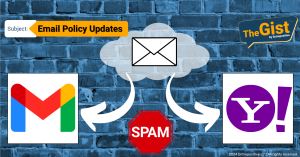
Cold email is not spam. Spam is irrelevant, non-targeted, bulk messaging sent without regard for the recipient. Cold email is researched, relevant, personalized, and permission-earning. Automation without relevance falls under spam, not cold email. Cold email is also not newsletters or list marketing—newsletters assume prior opt-in, while cold email starts with no prior relationship.
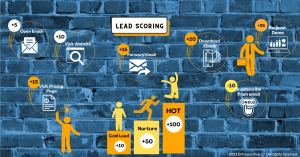
Understanding the cold, warm, and hot distinction matters. Cold means no prior interaction. Warm means some awareness, engagement, or introduction has happened. Hot means explicit buying intent or an inbound request. Cold email’s job is to move people from cold to warm by earning their attention and interest through value, not volume.
When Cold Email Makes Sense (And When It Doesn't)
Cold email is best suited for high-value B2B offers, niche audiences, and service businesses with longer sales cycles. It works well when decision-makers are reachable via email and when personalization creates leverage. It’s not ideal for low-ticket offers, hyper-competitive generic markets, or audiences who rarely check email. Cold email works when you’re solving a problem the prospect is actively experiencing—not a problem you think they should have.
If your offer is a $50 course on productivity hacks for “anyone who wants to be more productive,” cold email is probably the wrong channel. If your offer is a $50K software implementation for VP-level operators in manufacturing who are dealing with supply chain visibility issues, you’re in the right neighborhood.
How Cold Email Fits Into a Modern Marketing and Sales Strategy
Cold email complements outbound SDR activity, inbound marketing, and social selling. It provides predictable pipeline when done with consistency and segmentation. It performs best when paired with multi-channel follow-up—LinkedIn touchpoints, lead nurturing, and retargeting all reinforce the cold email and increase conversion rates.
Cold email isn’t a silver bullet or a stand-alone strategy. It’s one channel in a coordinated outreach system. The companies that win with cold email are the ones who understand it’s the opening act, not the entire performance.
Common Misconceptions That Ruin Cold Email
Let’s kill five myths right now. First: “Cold email is illegal.” It’s not—when done correctly and ethically. Second: “Templates work best when copy-pasted exactly.” Wrong. Personalization creates the edge. Third: “More volume equals better results.” Usually false. Targeting beats brute force. Fourth: “AI can replace strategy.” AI enhances the strategy you already have; it doesn’t create one for you. Fifth: “Low response rates mean failure.” Response quality matters more than quantity. A 1–5% response rate can be excellent depending on deal size.
Most cold email campaigns fail because the sender believed one of these myths. The ones who succeed treat cold email like a craft—strategic, deliberate, and human, even when assisted by technology.
So What Actually Is Cold Email?
Cold email is personalized, targeted, permission-earning outreach aimed at starting conversations. It is not spam, not newsletters, and not mass automation. It works best for high-value B2B offers and targeted audiences. Successful cold email requires realistic expectations and strategic alignment with other channels.
Now ask yourself: is your outreach actual cold email, or just hopeful spam in a blazer? If you’re not sure, the next article will help. Continue to “Why Cold Email Still Works in 2026” to understand why this channel remains effective when others are struggling—and how to make it work for you.